


Elderflower Wine Recipe
Updated: Jun 22
When we think of Elderflower Wine recipes, the one that often gets all the attention is Elderflower Champagne. Also known as Elderflower Fizz, that is made using a quick brew method where the sparkles are created in the bottle with sugar and particles of unfermented yeast. That's why it is often associated with exploding bottles, since it tends to be drunk before fermentation has totally stopped or it has fully cleared. This Still Elderflower Wine Recipe is made using the more traditional winemaking method involving a longer fermentation period, not bottling until the yeast has fully completed its job and the wine has cleared.
The floral, clear wine this Elderflower Wine Recipe produces is worth waiting for and, unlike some other fruit and flower wines, the elderflower fragrance is very much evident in the finished wine.
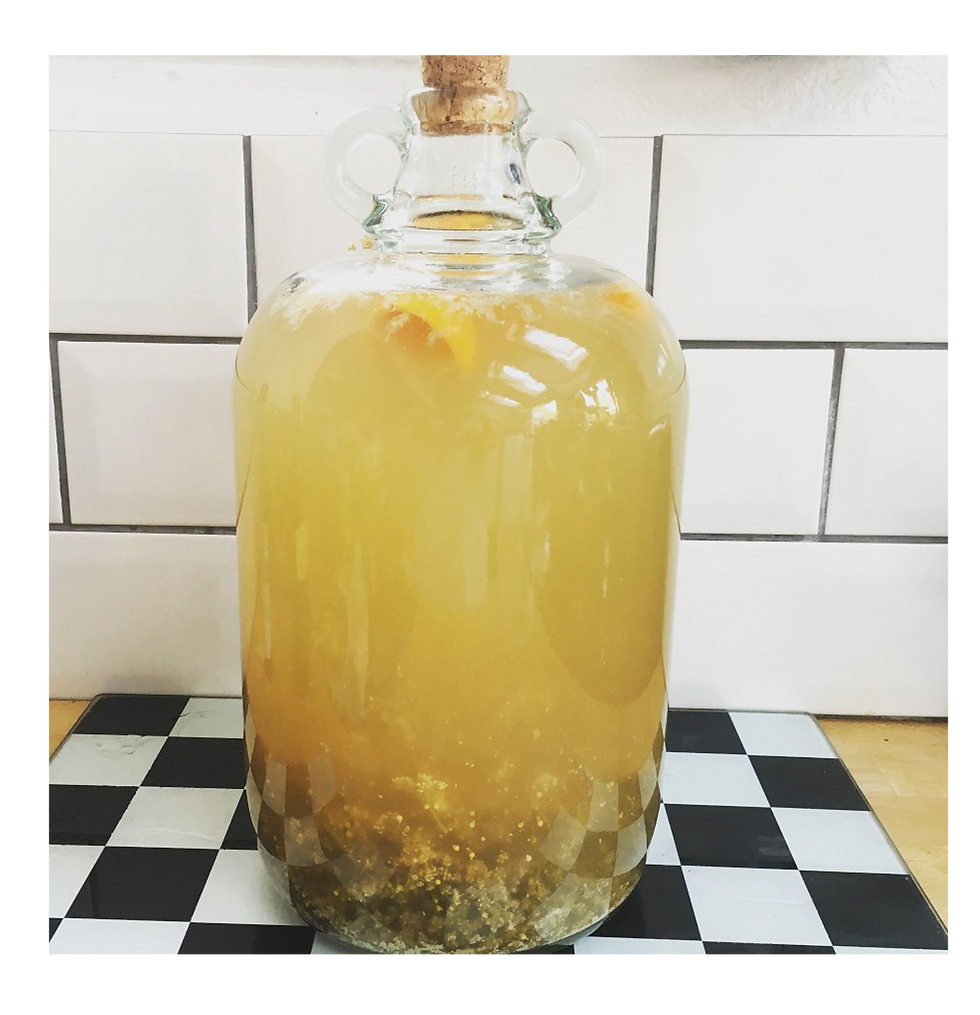
This recipe makes 4.5 litres (6 bottles) of Elderflower Wine. If you wish to make a smaller batch, simply halve the ingredients.
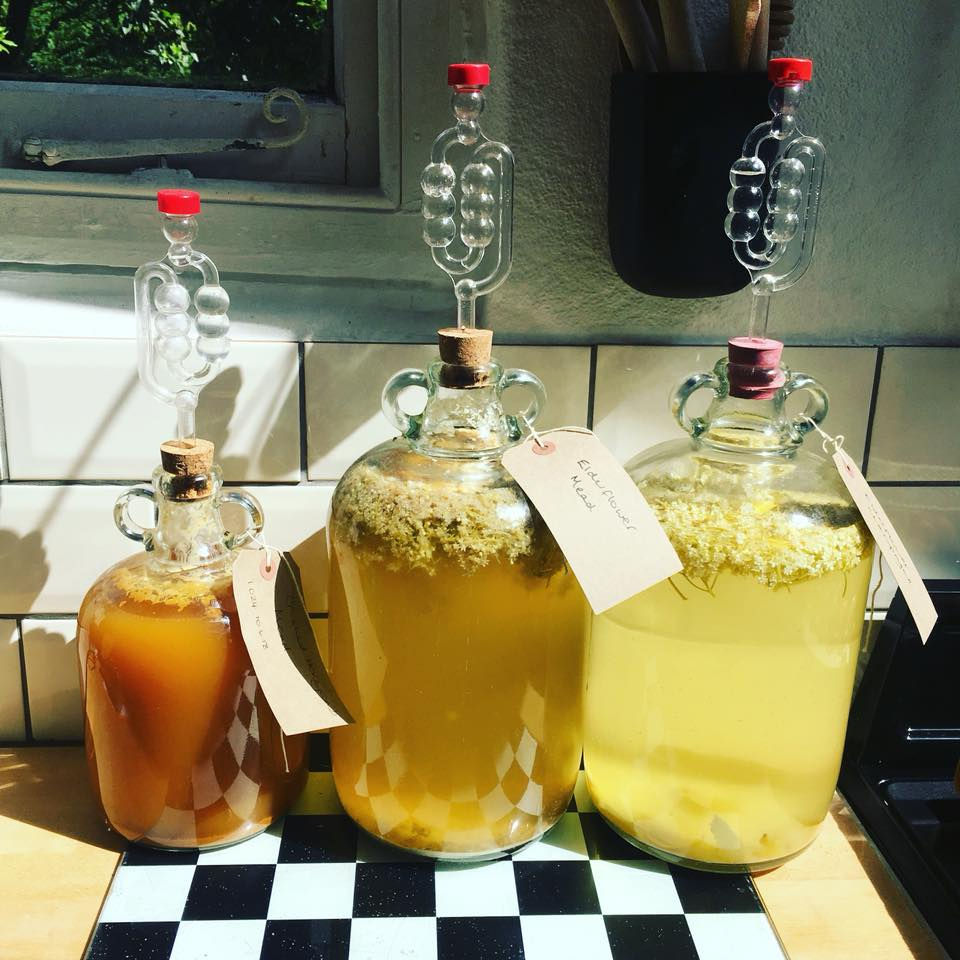
Elderflower Wine Recipe
Ingredients
600ml/1 pint of elderflowers. This is the quantity you need once the stems are removed which I find, in practice, to be around 25-30 heads.
3 unwaxed lemons (or I sometimes switch one of the lemons for a sliced orange)
4.5 litres/1 gallon of cold water (I usually use bottled water. If you know your water doesn't have lots of chlorine in it which could affect the yeast, you can use tap. Not sure? Boil your tap water and let it cool to room temperature).
1-2 Campden Tablets
1.1kg/2.5lbs sugar - standard granulated sugar in your kitchen is fine for this
Wine wine yeast (sufficient to treat 4.5 litres – check the sachet or tub for quantity depending on the yeast)
1 teaspoon Yeast Nutrient
5ml/1 teaspoon Wine Tannin
You will also need
Basic Winemaking Equipment. If you have nothing as you read this, you could buy a Winemaking Equipment Kit which has most of what you need in it, including wine yeast and cleaner/steriliser.
Method
1. Ensure all your winemaking equipment is sterilised using your cleaner/steriliser of choice, following the instructions on the label.
2. Having removed as many of the green stems as you can from the elderflowers, put the flowers into a food-grade brewing bucket.
2. Wash the lemons and, using a potato peeler, peel off the rind. Add to the bucket with the flowers.
3. Boil the water and pour it over the flowers and lemon in the bucket.
4. Cover loosely with a lid or clean tea towel and leave to cool.
5. Crush a Campden tablet and add it to the mix. Leave to infuse for 2-3 days, stirring daily.
6. Strain off the liquid through cotton muslin or a straining bag into a second clean, sterilised, food-grade 5 litre bucket.
7. Add the juice of the lemons and the sugar. Stir well until the sugar has dissolved.
8. Add the yeast, yeast nutrient and wine tannin. Stir well.
9. Cover loosely with the lid or clean tea towel and leave to ferment initially for 4-5 days.
10. Strain the liquid again through muslin or a straining bag back into the first bucket which has been cleaned and sterilised, or a clean, sterile demijohn if you prefer.
11. Fit an airlock half filled with water and allow the wine to ferment out completely. If you choose to use a glass demijohn you will also need a bored bung into which to fit the airlock, otherwose the airlock fits directly into the grommet in the hole in the bucket lid, or the grommet in the hole in the PET demijohn cap.
12. If the wine looks completely clear and fermentation has stopped, you can choose to add another crushed campden tablet at this stage to be certain no further fermentation happens. I choose to leave the wine for a few weeks after fermentation has stopped and the wine is clear rather than add the campden to ensure it has completely stopped. It is down to personal choice. Whichever you choose, make sure fermentation has totally stopped to avoid exploding bottles.
13. Syphon into sterile wine bottles, leaving any sediment behind. To do this, place your bucket/demijohn higher than the bottles. Use a simple syphon to transfer the wine, taking care not to disturb the sediment and try to avoid transferring any debris. The less sediment you pick up, the clearer the end result will be. This is known as 'racking', more about it here. Seal the bottles with corks using a corker.
13. Leave to mature for 6-9 months before drinking. This wine likes to be drunk quite young.
Want to learn more about Wine Making with Ingredients from the Hedgerow?


Comments